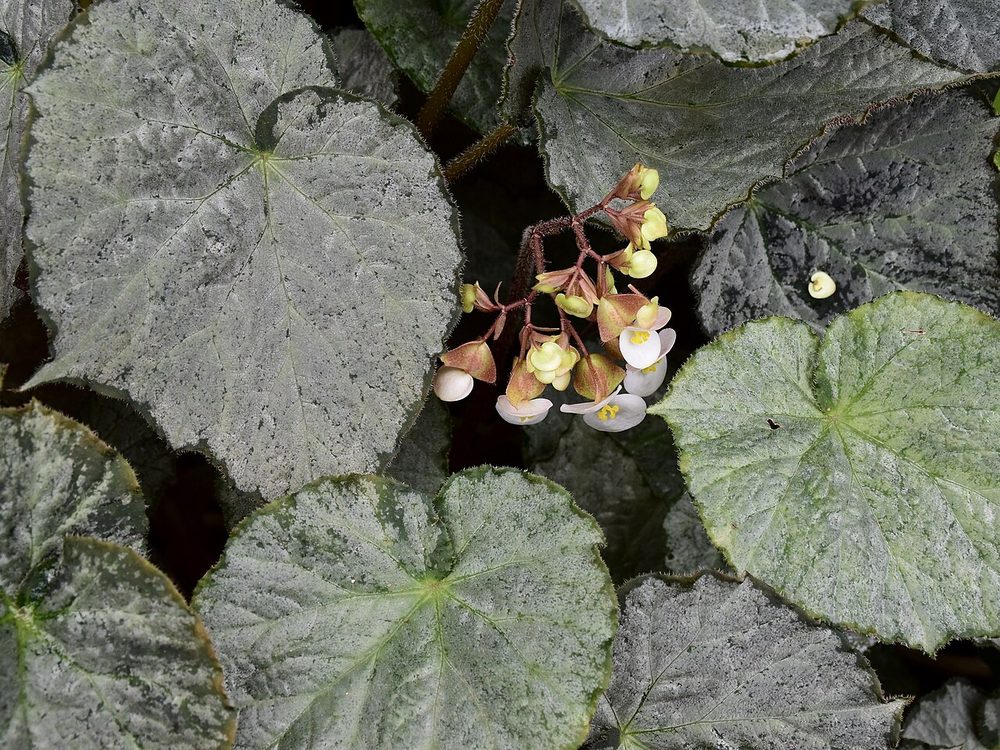
Photo: Photo by and (c)2014 Derek Ramsey (Ram-Man) · GFDL 1.2 · Wikimedia Commons
Bird's Nest Fern
Asplenium nidus
Broad, glossy, ripple-edged fronds unfurling from a central rosette. Architectural and forgiving — one of the easiest ferns.
- Terrarium type
- Closed
- Terrarium size
- Medium
- Light
- Low to medium
- Care level
- Easy
- Growth habit
- Upright
- Pet safety
- Non-toxic to pets
Buy a live Bird's Nest Fern
In stock at Lively Root, shipped across the US as a healthy potted plant.
Shop Bird's Nest Fern at Lively RootAffiliate link — we may earn a commission, at no extra cost to you.
Growing Bird's Nest Fern in a terrarium
Where to place it
Set it as an architectural mid-ground feature in low to medium light. Its glossy fronds unfurl from a central rosette and tolerate shade well.
Watering & humidity
Keep the substrate evenly moist and humidity high — it's one of the easiest ferns for a closed setup. Water the substrate, not into the rosette.
Watch out for
Water pooling in the central 'nest' rots the crown, so aim for the soil. Browning frond edges usually mean the air has dried out.
Reference: Asplenium nidus on Wikipedia.
Bird's Nest Fern FAQ
Can Bird's Nest Fern grow in a closed terrarium?+
Yes — Bird's Nest Fern (Asplenium nidus) thrives in a closed terrarium. The sealed glass traps the constant, high humidity it needs, and it tolerates the lower light inside a covered vessel.
Can Bird's Nest Fern grow in an open terrarium?+
It isn't recommended. Bird's Nest Fern (Asplenium nidus) wants the constant humidity of a sealed, closed terrarium and will quickly dry out and crisp up in an open, airy one.
What size terrarium does Bird's Nest Fern need?+
Bird's Nest Fern suits a medium terrarium — bowls & mid-size. It has a upright growth habit, so plan its position with that in mind and trim or divide it if it starts to outgrow the glass.
Is Bird's Nest Fern easy to care for?+
Bird's Nest Fern is rated easy to care for in a terrarium. Broad, glossy, ripple-edged fronds unfurling from a central rosette. Architectural and forgiving — one of the easiest ferns. Water pooling in the central 'nest' rots the crown, so aim for the soil. Browning frond edges usually mean the air has dried out.
How much light does Bird's Nest Fern need?+
Bird's Nest Fern does best in low to medium light. Keep it out of direct sun, which magnifies through glass and scorches leaves. Set it as an architectural mid-ground feature in low to medium light. Its glossy fronds unfurl from a central rosette and tolerate shade well.
Is Bird's Nest Fern safe for cats and dogs?+
Bird's nest fern (Asplenium nidus) is non-toxic to cats and dogs according to the ASPCA.